
Benefits of Structural Steel in Commercial Construction
Home » Benefits of Structural Steel in Commercial Construction
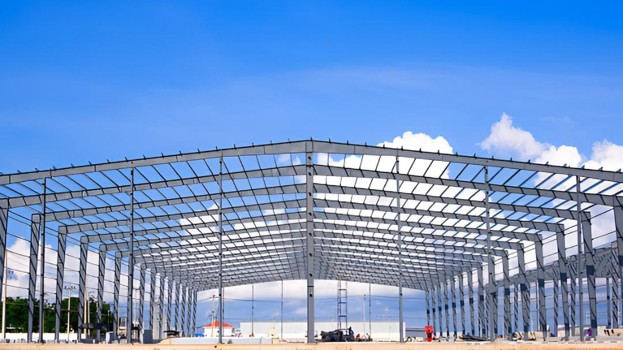
Commercial builds live and die on programme, and the frame you choose shapes almost everything downstream. At Steelrise Australia, we fabricate and install structural steel for builders who need speed, strength and certainty in equal measure. Here is why steel keeps winning the argument.
Table of Contents
ToggleKey Takeaways
- Prefabricated steel dramatically shortens on site construction time.
- Steel’s strength to weight ratio reduces foundation size and cost.
- Long spans give architects genuine open plan design freedom.
- Steel pricing offers more predictability than many alternative materials.
- Almost all structural steel is recyclable without losing quality.
Speed That Changes the Whole Project Timeline
Structural steel is fabricated off site under controlled conditions, then delivered ready to bolt together, which removes the guesswork and weather delays that slow other trades. A Sourceable feature comparing timber, steel and concrete structures quotes the Australian Steel Institute noting that steelwork eases on site risk while speeding up earlier returns on investment, a combination that matters enormously on a live commercial site.
Strength Without the Weight
Steel delivers an exceptional strength to weight ratio, which means a steel framed building is typically lighter than an equivalent concrete structure while carrying the same loads. This reduces stress on foundations, which can mean smaller, cheaper footings, particularly useful on constrained inner city sites. The Australian Steel Institute’s advantages of steel construction explains how this lightness also enables retrofitting extra floors onto existing structures, something concrete alternatives struggle to match. Ongoing research from UNSW’s structural engineering research group continues to refine how advanced structural materials, including steel, perform under real world Australian conditions. That ongoing research feeds directly back into the design standards fabricators like us build to every day.
Design Freedom Architects Actually Want
Long spans, slender columns and open floor plates are far easier to achieve in steel than in most alternative materials, giving architects room to design without fighting the structure. A study on prefabricated steel design highlights how integrating design for manufacture and assembly principles early in a steel project improves both efficiency and durability, rather than treating fabrication as an afterthought bolted onto the design process.
Cost Certainty in a Volatile Market
Construction costs in Australia have been anything but predictable lately, and material choice plays a real role in managing that risk. A report on rising construction costs in Sydney shows just how much pressure city projects are under from inflation and currency shifts. Structural steel and rebar pricing has held relatively steady compared to other inputs, even amid broader cost escalation, which gives builders a more stable number to plan around. For head contractors juggling multiple cost variables at once, that kind of stability across a major line item genuinely simplifies early stage budgeting.
Sustainability That Holds Up to Scrutiny
Steel’s environmental case has genuinely matured beyond a marketing line. Coverage in Build Australia on steel construction and sustainable buildings points out that steel can be recycled repeatedly without losing strength or quality, and that reusing structural steel elements can cut a building’s embodied carbon substantially compared with weight optimised new material alone. For a commercial client weighing up environmental credentials alongside budget, that is a genuinely useful trade off.
Safety Benefits That Start Before Steel Even Arrives
A lot of the safety advantage of structural steel happens before a single beam reaches site. Developers prefer structural steel solutions because fabrication in a controlled workshop environment means welding, cutting and drilling happen under consistent supervision, rather than exposed to weather and site pressure. On site, this translates into a few practical advantages:
- Fewer trades working at height for extended periods during erection.
- Predictable lifting points and sequencing reduce crane related risk.
- Bolted connections replace much of the on site welding required by other methods.
- Shorter overall programme reduces cumulative site exposure for the workforce.
None of this replaces a genuine safety culture on site, but it does mean the material itself is working in your favour rather than against you.
Built to Australian Standards, Not Just Close Enough
None of these benefits count for much if the steelwork itself is not properly specified and fabricated. Structural steel in Australia is governed by standards such as AS 4100 and AS/NZS 5131, referenced directly within the National Construction Code, and compliance is not optional on a commercial project. If you want to see how we approach compliance and fabrication ourselves, our services at Steelrise Australia runs through the full process, from 3D modelling through to site installation and verification.
Conclusion
Choosing the right structural steel partner matters just as much as choosing the material itself. If you are planning a commercial build, get in touch with us and our team will help you scope a fabrication and installation plan built around your timeline and budget.
FAQs:
Why is structural steel faster to build with than concrete?
Structural steel is prefabricated off site and bolted together, reducing weather delays and eliminating lengthy on site concrete curing times.
Is structural steel more expensive than concrete?
Not necessarily. While steel may have a higher initial material cost, it often offsets this through faster construction, reduced labour requirements and smaller foundation needs.
Can structural steel buildings be extended later?
Yes. Structural steel’s high strength-to-weight ratio makes it easier to add extensions or extra floors compared with many concrete structures.
What standards govern structural steel in Australia?
The primary Australian standards for structural steel are AS 4100 and AS/NZS 5131, both of which are referenced within the National Construction Code.
Is structural steel actually sustainable?
Yes. Structural steel is almost entirely recyclable without losing its strength or performance, making it one of the most sustainable construction materials available.
What types of commercial buildings suit structural steel best?
Structural steel is ideal for offices, warehouses, retail centres and multi-level developments because of its speed of construction, long spans and design flexibility.

SteelRise Australia delivers high-quality structural steel solutions built for strength, safety, and long-lasting performance.
Quick Links
Our Company
- Office Hours: 8am- 5pm
- info@steelriseaus.com
- 1300 901 701
-
Head Office:
1/16 Bernera Road, Prestons NSW 2170