
How Structural Steel Improves Project Efficiency
Home » How Structural Steel Improves Project Efficiency
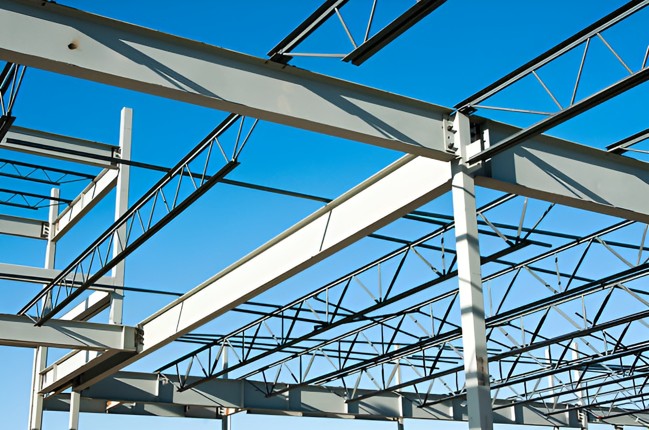
Programme certainty separates profitable builds from costly ones. Structural steel delivers that certainty through factory precision, rapid erection, and fewer surprises on site. At Steelrise Australia, we manufacture to Australian standards so builders gain speed without sacrificing compliance. This article examines how steel sharpens efficiency across planning, fabrication, and installation.
Table of Contents
ToggleKey Takeaways
- Offsite fabrication removes delays from the critical path.
- Steel frames reach full strength immediately, freeing following trades.
- Precision detailing reduces rework and costly site adjustments.
- Lighter frames cut foundation size and crane time.
- Compliance to AS/NZS standards protects programme and budget.
Efficiency Begins Before Steel Reaches Site
Australian construction operates under genuine pressure. Figures from the Australian Bureau of Statistics show total construction work done reached $83.4 billion in a single quarter, with non residential activity climbing steadily. Against that volume, every week saved on a programme carries real commercial weight.
Structural steel earns its reputation because most of the work happens away from site. Members are cut, drilled, welded, and coated in a controlled facility while foundations progress in parallel. That overlap compresses the programme in a way traditional sequential methods cannot match. Steel fabrication and installation services at Steelrise Australia are built around this principle, pairing 3D modelling with disciplined logistics so components arrive ready to lift.
Weather is another factor worth noting. Site progress stalls during heavy rain, yet fabrication continues uninterrupted inside a covered facility. Wet weeks that would normally push a concrete programme backwards have far less effect when the frame is already being manufactured elsewhere. That resilience gives project managers a buffer they can actually rely on when planning handover dates.
Speed on Site Without Compromising Quality
Once steel arrives, assembly is largely a bolting exercise. The Australian Steel Institute notes that a steel solution can achieve up to 70 percent labour reduction compared with alternatives, and that steel frames are full strength as soon as they are complete. Following trades gain access immediately rather than waiting on curing times.
The practical gains show up across the build:
- Parallel workflows. Fabrication and site preparation advance at the same time.
- Rapid erection. Bolted connections replace lengthy wet trade sequences.
- Fewer people on site. Smaller crews reduce congestion and improve safety control.
- Just in time delivery. Staged loads suit tight urban sites with limited laydown.
Precision That Prevents Expensive Rework
Rework quietly erodes margins. Research examining hundreds of Australian projects found that rework can account for a substantial share of total project cost, a burden explored in studies on construction defects and waste involving RMIT and Deakin researchers. Poor planning and late design changes sit at the heart of the problem.
Detailed shop drawings resolve clashes digitally before any metal is cut. Connections are verified against engineering details, tolerances are tight, and members are marked for their exact position in the structure. Analysis published by RMIT University highlights how much material the sector still sends to landfill each year, reinforcing the value of getting components right the first time.
Accurate setting out on site completes the picture. When holding down bolts are positioned correctly and survey control is maintained, columns land exactly where the model says they should. Problems that would otherwise surface during erection, such as misaligned base plates or connections that will not draw together, are eliminated well before a crane is booked.
Lighter Structures, Leaner Programmes
Steel achieves long spans with comparatively little material. Lighter framing reduces foundation loads, which can shrink excavation and concrete volumes considerably. Crane hours fall because fewer, larger assemblies replace many smaller pours and placements. Prefabricated steel framing reduces project timelines and labour costs while easing transport and assembly.
Sustainability supports efficiency rather than competing with it. More than 95 percent of structural steel is recovered and reused or recycled, which simplifies waste handling on site. Reporting from Australian Manufacturing points to continued growth in the domestic steel market, underpinned by infrastructure investment and a focus on efficient supply chains.
Major Australian projects demonstrate the point at scale. The New Bridgewater Bridge in Tasmania, recognised at the Australian Construction Achievement Award, relied on prefabricated steel elements to deliver the state’s largest transport project. Repeatable components and controlled manufacture allowed the team to maintain pace on a complex site.
Compliance Keeps the Programme Moving
Efficiency collapses when compliance fails. Steel manufactured to AS/NZS 5131, AS/NZS 4100, and AS/NZS 1554.1 passes inspection without argument, avoiding hold points that stall a programme for weeks. Independent verification confirms weld quality, surface treatment, and dimensional accuracy before delivery.
Safety planning belongs in the same conversation. Fewer workers at height, defined lifting points on each assembly, and steel decking that provides an immediate working platform all reduce risk while keeping work moving. Systems aligned with the Work Health and Safety Act 2011 and the WHS Regulation 2017 protect both the crew and the schedule, because incidents are among the most disruptive events any project can face.
National policy is moving in the same direction. Modern methods of construction are now recognised as a key pathway to lift productivity, with government backing certification schemes for offsite manufacturing. Builders who adopt these methods early are better placed as procurement expectations shift.
Planning Choices That Protect Your Timeline
Steel performs best when engaged early. Bringing the fabricator into design discussions allows connection details to be optimised for manufacture and lifting. Trade coverage in Infrastructure Magazine demonstrates how material innovation delivers measurable savings when specified from the outset rather than substituted later.
Procurement discipline matters just as much. Long lead items must be identified and released on time. Avoiding common pitfalls is equally important.
Conclusion
Structural steel rewards planning with speed, accuracy, and predictable delivery. When fabrication, logistics, and compliance align, programmes hold and margins stay intact. Our team brings that discipline to every project across Sydney and beyond. To discuss your next build and secure a reliable steel package, get in touch with us today.
FAQs:
Why is structural steel faster than concrete?
Steel is prefabricated offsite and bolted together on site, reaching full strength immediately without curing delays.
Does structural steel reduce project costs?
Yes, through shorter programmes, smaller crews, lighter foundations, and significantly less rework across the build.
What Australian standards apply to structural steel?
Fabrication and erection follow AS/NZS 5131 and AS/NZS 4100, with AS/NZS 1554.1 covering welding compliance.
How does offsite fabrication improve efficiency?
Factory conditions deliver tighter tolerances and allow fabrication to run parallel with site preparation and foundation works.
Is structural steel suitable for tight urban sites?
Yes, staged just in time deliveries and rapid erection suit congested sites with limited storage access.
When should a steel fabricator join the project?
As early as possible, ideally during design, so connections are optimised for manufacture and lifting.

SteelRise Australia delivers high-quality structural steel solutions built for strength, safety, and long-lasting performance.
Quick Links
Our Company
- Office Hours: 8am- 5pm
- info@steelriseaus.com
- 1300 901 701
-
Head Office:
1/16 Bernera Road, Prestons NSW 2170