
Common Steel Fabrication Mistakes and How to Avoid Them
Home » Common Steel Fabrication Mistakes and How to Avoid Them
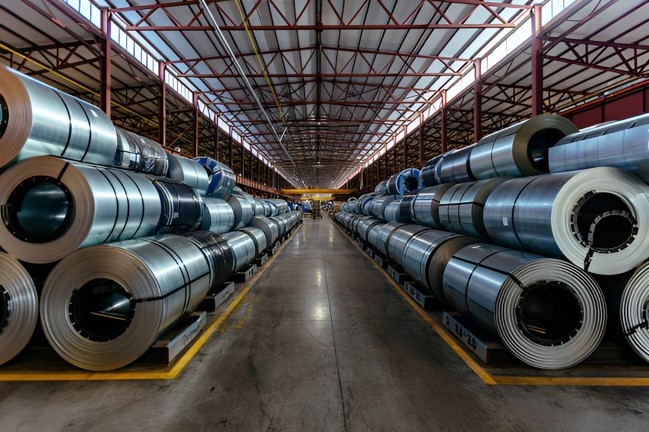
Fabrication errors rarely stay hidden. They surface as rejected welds, misaligned connections, and programmes that quietly slip. At Steelrise Australia, we manufacture to AS/NZS standards because prevention costs far less than rectification. This article sets out the mistakes we see most often across Australian projects, and the practical measures that keep steelwork accurate, compliant, and on schedule.
Table of Contents
ToggleKey Takeaways
- Poor detailing causes most on site fit up failures.
- Unverified material certificates create serious compliance risk.
- Weld defects multiply when procedures go unqualified.
- Wrong coating specification shortens service life dramatically.
- Third party certification protects budgets and timelines.
Mistake One: Rushing the Detailing Stage
Most fabrication problems begin at a desk, not a workshop. Shop drawings prepared without proper coordination produce members that will not align once craned into position. Holding down bolts miss their centres, cleats sit at the wrong angle, and the crew improvises with a grinder.
The cost of these errors is well documented. Research by Deakin and Griffith University academics examining defects in residential multi owned properties identified thousands of defects across audited buildings, with a substantial share traced back to design and documentation failures rather than workmanship alone.
Avoid it by insisting on the following before release:
- Model based clash detection across structural, services, and architectural elements.
- Engineer approval of every connection detail, not a sample.
- Confirmed site dimensions rather than assumed design dimensions.
A short review before fabrication begins is far cheaper than a crane standing idle. Once members are cut and welded, changes require hot work, fresh coatings, and often a return trip to the workshop. An Australian study on total rework costs in construction projects put the mean direct cost of rework at around 6.4 percent of contract value, before indirect losses are counted.
Mistake Two: Accepting Material Without Verification
Substituted or undocumented steel is a genuine hazard in the current market. WorkSafe Victoria warns that imported structural steelwork may involve lower grade substitution or manufacturing processes that fall short of Australian requirements, with consequences ranging from expensive rectification to structural failure.
Commentary in Manufacturers’ Monthly notes that fabricated steel imports have climbed sharply in recent years, often arriving with weak quality assurance behind them. Mill certificates should be traceable to the actual product delivered, and steel grades must match what the engineer specified.
Mistake Three: Welding Without Qualified Procedures
Welding is where small shortcuts become structural problems. Undercut, porosity, and incomplete fusion all reduce capacity, yet they are easy to miss without proper inspection. AS/NZS 1554.1 exists precisely because weld quality cannot be judged by appearance.
Welder health deserves equal attention. A study covered in The Conversation found that most Australian welding workers surveyed were exposed to fumes, with a large proportion above recommended limits. Weld Australia confirms the workplace exposure standard for welding fumes has been reduced to one milligram per cubic metre, which fabricators must actively manage through extraction and respiratory protection.
Sound practice includes:
- Qualified welding procedures matched to the material and joint type.
- Certified welders with current qualifications for the work performed.
- Documented inspection using visual checks and non destructive testing where required.
Mistake Four: Specifying the Wrong Corrosion Protection
Coating decisions are often treated as an afterthought, then fail within a few seasons. Australia presents a demanding range of environments, from dry inland sites to surf coast exposure. AS 4312 maps corrosivity categories across the country, allowing designers to estimate realistic service life rather than guess.
Matching the system to the category is essential. A coating suited to a sheltered inland warehouse will not survive within a kilometre of breaking surf. Surface preparation matters just as much, since even the correct product will lift if applied over mill scale or contamination.
Detailing choices also influence how long protection lasts. Water traps, unsealed overlaps, and pockets that cannot drain will corrode first, regardless of the coating specified. Drainage holes, sealed joints, and accessible surfaces for future maintenance are simple provisions that add years of service.
Mistake Five: Treating Compliance as Paperwork
Compliance is frequently viewed as an administrative burden until an inspector raises a hold point. An Australian Industry More than 95 percent of respondents had encountered non conforming products somewhere in the steel supply chain, with duty of care extending to everyone involved.
Third party certification through Steelwork Compliance Australia under AS/NZS 5131 gives builders independent assurance. Checking complex fabricated assemblies after delivery is close to impossible, so verification belongs at the point of manufacture. Strong steel fabrication and installation services build that discipline into the process rather than bolting it on afterwards.
Mistake Six: Poor Handling, Storage, and Sequencing
Well fabricated steel can still arrive damaged. Members stacked without dunnage warp, coatings chip during transport, and unmarked components force crews to identify pieces by trial and error. Sequencing matters too, since delivering the wrong bay first stalls an entire lift plan. Closely fabrication schedules must align with construction staging.
Careful marking, protected storage, and staged deliveries matched to the erection programme resolve most of these issues. Attention to durability at every stage supports long term performance.
Conclusion
Fabrication mistakes are predictable, which means they are preventable. Disciplined detailing, verified materials, qualified welding, and independent certification protect both structure and programme. Our team applies that rigour on every project we deliver. To discuss your requirements and secure steelwork you can rely on, get in touch with us today.
FAQs:
What is the most common steel fabrication mistake?
Inadequate shop detailing, which causes misaligned connections and costly rework once members reach the site.
How can weld defects be prevented?
Use qualified welding procedures, certified welders, and documented inspection including non destructive testing where the standard requires.
Why does imported steel carry extra risk?
It may involve grade substitution or weaker quality assurance, so certificates require careful verification against Australian Standards.
Which standard covers steel fabrication in Australia?
AS/NZS 5131 governs fabrication and erection, while AS/NZS 1554.1 sets the requirements for structural steel welding.
How do I choose the right protective coating?
Match the coating system to the AS 4312 corrosivity category for your site, then prepare surfaces properly.
Is third party certification worth the cost?
Yes, independent auditing reduces compliance risk, avoids hold points, and protects both project budgets and delivery timelines.

SteelRise Australia delivers high-quality structural steel solutions built for strength, safety, and long-lasting performance.
Quick Links
Our Company
- Office Hours: 8am- 5pm
- info@steelriseaus.com
- 1300 901 701
-
Head Office:
1/16 Bernera Road, Prestons NSW 2170